

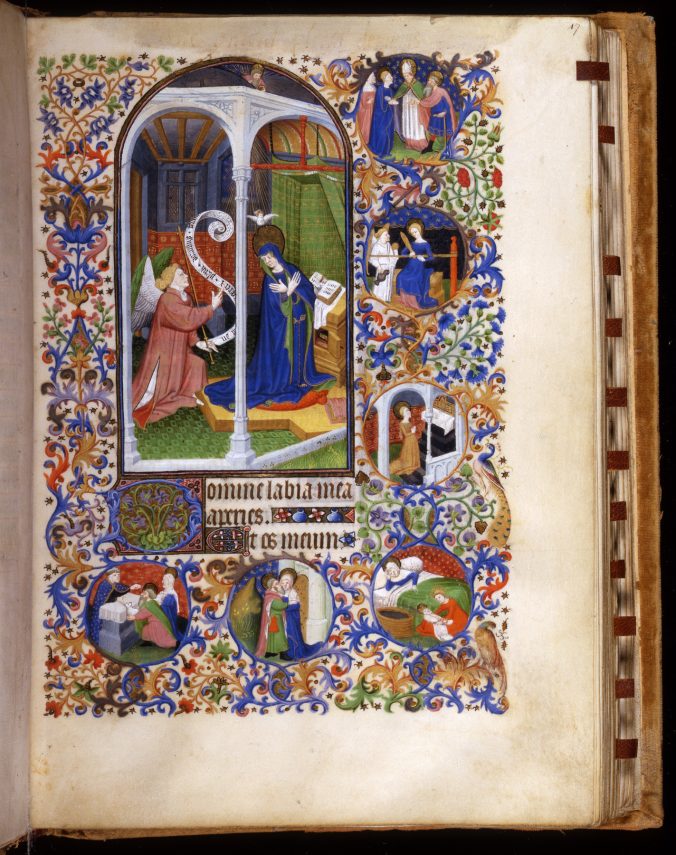
Each year on 25th March, Lady Day quietly marks one of the most significant—yet often overlooked—dates in the traditional English calendar. Known formally as the Feast of the Annunciation, it commemorates the moment when the Angel Gabriel announced to the Virgin Mary that she would bear the Son of God. But beyond its religious meaning, Lady Day has long been woven into the fabric of everyday life in England, shaping everything from rents and legal contracts to the rhythms of rural society.
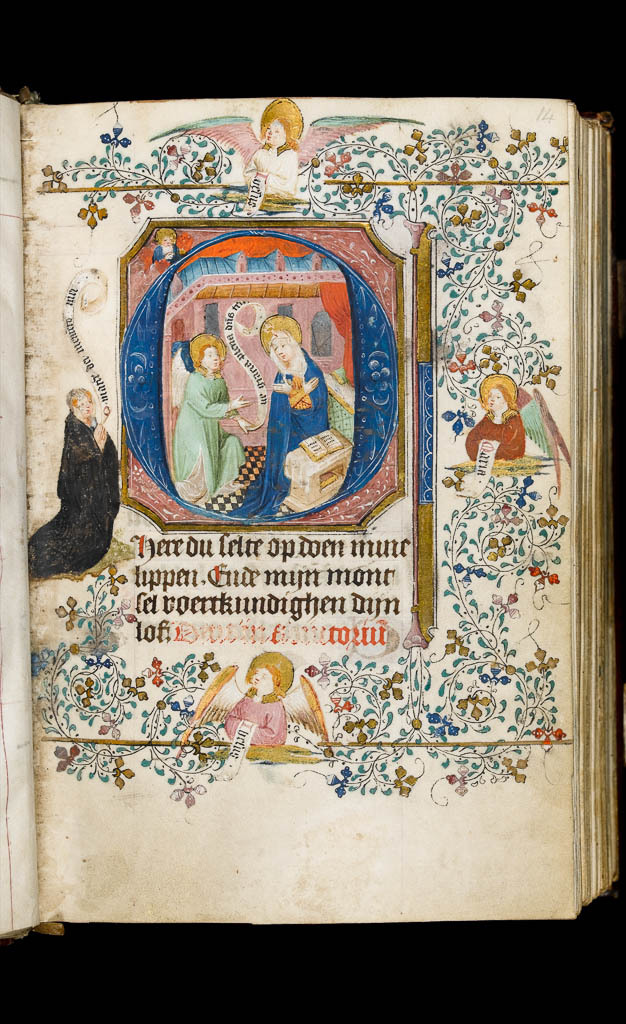
In the Christian tradition, Lady Day celebrates the Annunciation, exactly nine months before Christmas Day. It is a moment of profound theological importance: the incarnation begins not at the Nativity, but here—with Mary’s acceptance. For centuries, this event has been honoured in church liturgy, art, and devotion, symbolising obedience, humility, and the quiet beginning of something world-changing.
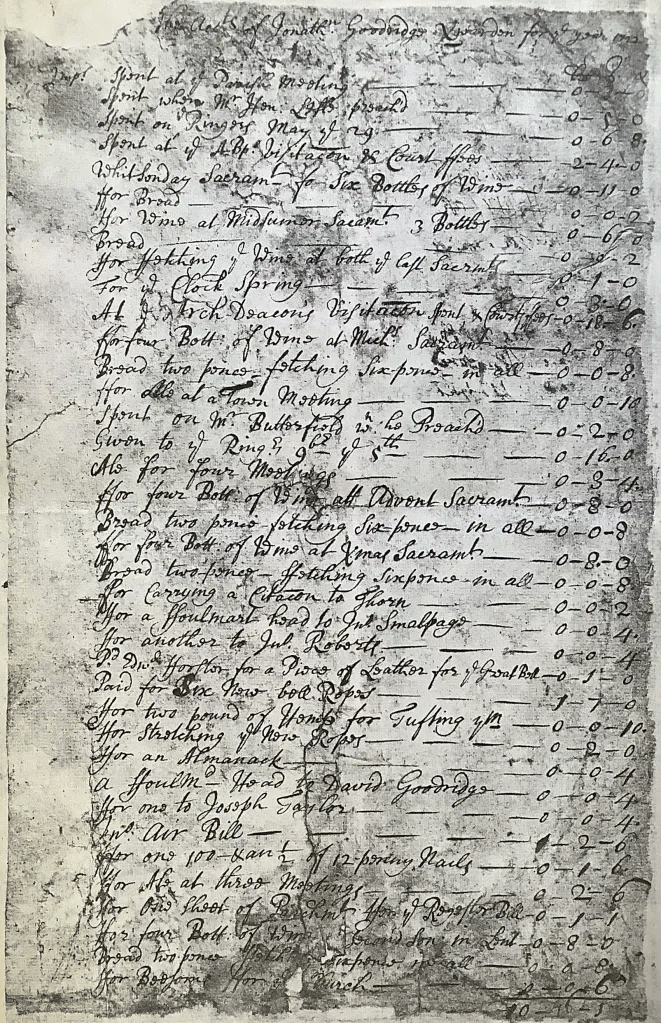
Lady Day was also one of the four traditional English Quarter Days, alongside Midsummer (24 June), Michaelmas (29 September), and Christmas (25 December). These dates divided the year into four parts and played a central role in economic and social life. For centuries, Lady Day was the day when:
- Rents were due
- New tenancies began
- Farm labourers were hired
- Legal agreements were settled
For many centuries in England, the legal year did not begin on 1 January, but on 25 March (Lady Day). That meant that the day after 24 March 1600 was 25 March 1601. Dates in January, February, and most of March were counted as part of the previous year. In 1752, Britain adopted the Gregorian calendar, replacing the older Julian calendar. Two key things happened:
(1) The legal New Year was changed from 25 March to 1 January
(2) To correct a long-standing drift in dates, 11 days were removed: Wednesday 2 September 1752 was followed by Thursday 14 September 1752
As well as causing chaos with people’s birthdays in that year, this change had an interesting effect on the tax year. Before 1752, the tax year began on Lady Day (25 March); but when 11 days were removed, the government didn’t want to lose 11 days of tax revenue. So instead of moving the tax year to 1 January, they shifted the ‘administrative’ Lady Day (not the religious feast itself) forward by 11 days: 25 March + 11 days = 5 April. A further small adjustment followed in 1800, when the differing leap-year rules of the Gregorian calendar caused the gap from the old Julian reckoning to widen by a day. The start of the tax year was accordingly carried forward once more, settling on 6 April, where it has remained ever since.
So even today, the UK tax year (starting 6 April) is essentially Lady Day, shifted by calendar corrections. It’s a quiet survival of the old system: the medieval Church calendar still quietly shaping modern government practice. And in today’s fast-paced world, Lady Day offers something valuable—a reminder of the deep connections between faith, time, and community. It speaks to a slower, more rooted way of life, where the turning of the year carried meaning beyond dates on a screen. And perhaps, even now, it invites us to reflect on beginnings in our own lives: quiet moments of decision that, like Mary’s, may carry more significance than we first realise.
It’s amazing what one learns in this job. Who knew all that about the tax year moving when they changed the calendar? Not me!
Gosh, it’s true what they say “every day is a school day.” Fascinating.
I like this very much. This is what I mean’t when we discussed the calendar on the phone. One learns something new every day! I had not realised that historically we had missed a few days in the 1700’s. Thank you. Melanie Chandler
It’s a shame that we rarely call it Lady Day any more. An appropriate day for the enthronement of the first female Archbishop of Canterbury.
My thoughts exactly.
Wow I didnt know that about calendar or tax year. Thanks
Brilliant! I was a Chartered Accountant all my working life and often wondered why the Uk tax year ended in 5 April. Now I know.
The history of Lady day I found most interesting also how they moved dsys around to accommodate such important changes in people’s lives. Plus how even in the 17 hundrendeds the HMRC was still worried about revenue not being collected. Plus all these people who had birthdays taken from them how did they compensate them with a suitable alternative, and by issuing new birth certificates plus church documents. I admin nightmare. Without any of the technology we have today, in saying that it possibly went smoother.
My husband & I both found this very interesting. I knew about the legal side as our first house bought in 1967 completed on Lady Day! But the tax bit was new info.
Never given it a thought but delighted to be educated!
Fascinating. Thanks for the info.
As a professional landlord I hang on for Quarter Days. The days when my income comes in! However in these days more and more people request monthly accounts, in part driven by the tough commercial times we are faceing. What a very informative article filling a gap in my knowledge! Thank you.
What an interesting article. It’s fascinating how even modern life is still shaped by Christianity even when people have forgotten it. Thank you.
Thank you . This article is so interesting .
There were some riots when the 13 days were “lost ” . Love the illustrations too .
Coming from a family of tenant farmers, I remember that the farm rent was collected on Lady Day. The landlord’s agent also came to inspect the farm, the state of the fences, gates and land. If the farm had not passed the inspection we would have had a given time to do the repairs, or in theory, we could have lost the tenancy.
Yes, it all sounds very Thomas Hardy, doesn’t it!
Who would have ever imagined the Inland Revenue being unhappy at the prospect of losing tax 😀
Teehee! Who indeed?
How interesting is that, as they say every day is a school day.